
Residential & commercial
Pest control services across the Miami Valley
Every service below is performed personally by Ken Packard under ODA License #12706 — inspection first, then a treatment matched to the species and your house.
Stinging Insects
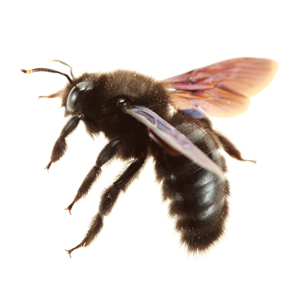
Bees
May–Sep peak
Bees around a Dayton home are usually honey bees in a wall void, carpenter bees drilling eaves and decks, or bumble bees nesting low in mulch and crawl spaces. Correct identification matters — the treatment for each is different, and so is whether the colony should be relocated instead of treated.
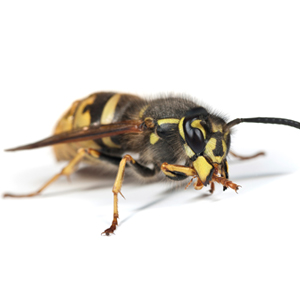
Yellow Jackets
Jul–Oct peak
Yellow jackets are the most common emergency call we take in the Miami Valley, and the most dangerous to treat wrong. Colonies build inside wall voids, siding, soffits and old rodent burrows in the yard, then peak in aggression from late July through the first hard frost.
Bald-Faced Hornets
Jul–Oct peak
The gray, football-shaped paper nest in a tree, gutter line or porch corner belongs to bald-faced hornets. They defend the nest aggressively for several feet in every direction and will sting repeatedly — this is not a ladder-and-can-of-spray job.
Cicada Killer Wasps
Jul–Aug peak
Cicada killers are the enormous wasps that appear over Ohio lawns in July and August, hovering low and tunneling into bare soil, sand and the edges of driveways and patios. They are far less aggressive than they look, but a heavy infestation undermines turf and terrifies anyone using the yard.
Paper Wasps
May–Sep peak
Paper wasps build the open, umbrella-shaped comb you find under eaves, in grill covers, playsets, mailboxes and porch ceilings. They are the wasp most Dayton homeowners meet, and they sting when a door slams or a nest gets bumped.
Rodents
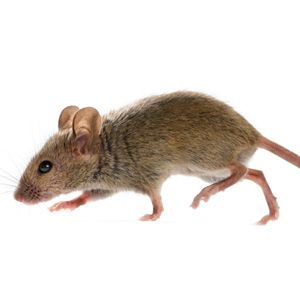
Mice
Oct–Feb peak
A mouse only needs a gap the width of a pencil. In the Miami Valley, mouse pressure starts with the first cold nights in October and runs through February. Trapping alone never ends it — the entry point does.
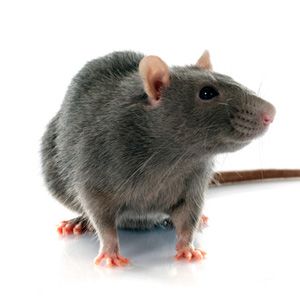
Rats
Oct–Feb peak
Norway rats travel sewer lines, creek corridors and alleys across older Dayton neighborhoods, then move into crawl spaces, garages and sheds. They are neophobic — they avoid new objects — so a rat job needs patience and placement, not volume.
Termites
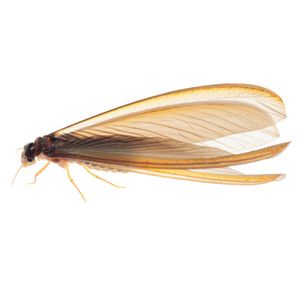
Household Insects
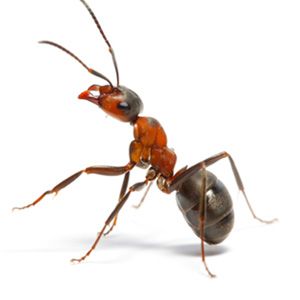
Ants
Apr–Oct peak
Odorous house ants, pavement ants and carpenter ants all behave differently, and carpenter ants damage structural wood. Spraying a trail kills the ants you see and splits the colony — the treatment has to reach the nest.
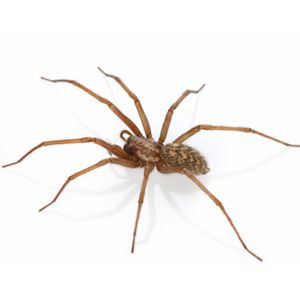
Spiders
Year-round
Spiders are a symptom: they stay where there is prey. Ohio homes see cellar spiders, funnel weavers, wolf spiders and the occasional brown recluse in undisturbed storage. Controlling the insects they eat is most of the job.
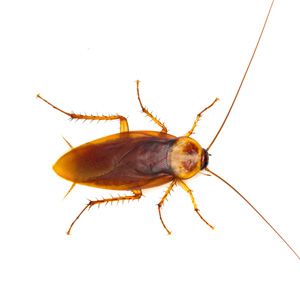
Roaches
Year-round
German cockroaches spread fast through kitchens and multi-unit buildings; American and oriental roaches come up from drains, crawl spaces and sewer lines. Both need a baiting program, not a can of spray that scatters them into new voids.
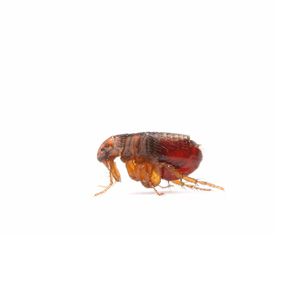
Fleas
Jun–Sep peak
Fleas arrive on pets or on wildlife that nested under a deck or in a crawl space. Because eggs and pupae survive treatment, a flea job is only successful when the interior work, the pet's vet treatment and the yard are handled together.
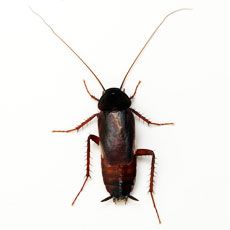
Waterbugs
Year-round
'Waterbug' in Ohio usually means an oriental cockroach coming up from a drain, sump, crawl space or sewer lateral. They favor cool, damp, dark spaces and are a strong signal that there is a moisture or plumbing route into the house.
Occasional Invaders
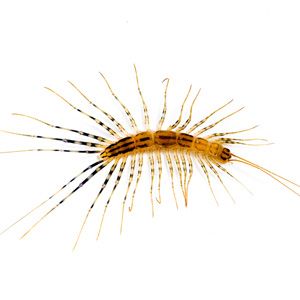
Centipedes
Year-round
House centipedes appear in Dayton basements, bathrooms and crawl spaces wherever there is moisture and other insects to hunt. They are harmless but unnerving, and their presence points to a damp perimeter.
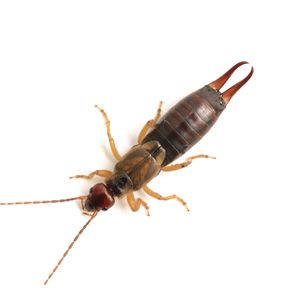
Earwigs
Jun–Sep peak
Earwigs live in mulch, leaf litter and under landscape timbers, then push into basements and ground-floor rooms in summer — especially after rain or when the beds against the foundation stay wet.
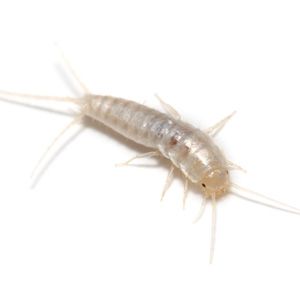
Silverfish
Year-round
Silverfish feed on paper, starch and glue, which puts them in basements, bookshelves, storage boxes and bathroom cabinets. They are slow to build up and slow to leave, so treatment targets the harborage rather than the sighting.
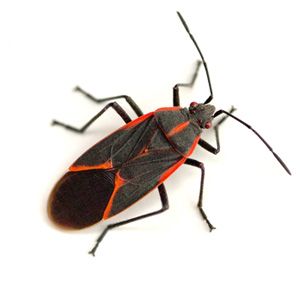
Boxelder Bugs
Sep–Nov peak
Every fall, boxelder bugs mass on the warm south and west walls of Miami Valley homes and work their way into soffits, attics and window frames to overwinter. Once they are inside the wall, the only good option is next year's exterior timing.
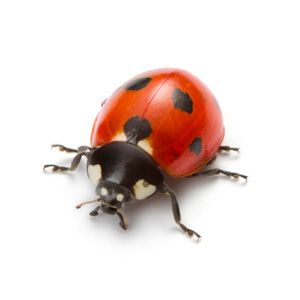
Ladybugs
Oct–Nov peak
The 'ladybugs' that swarm Ohio houses in late October are usually multicolored Asian lady beetles. They overwinter by the thousands in attics and wall voids, stain surfaces when disturbed, and reappear inside every warm spell until spring.
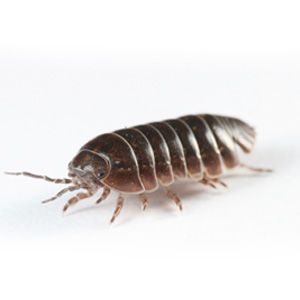
Pillbugs
Apr–Oct peak
Pillbugs — roly-polies — are moisture animals. When they turn up in a basement or garage it means the soil, mulch or window wells against the foundation are staying wet, and the perimeter needs both treatment and drainage attention.
How every job runs
- 01
Inspect
Ken walks the property, identifies the species and finds the entry points — no guessing, no template treatment.
- 02
Treat
EPA-registered products applied where they matter, including a 100-gallon exterior power-spray system for the perimeter.
- 03
Protect
One-time, monthly or quarterly service keeps the barrier current through Ohio's pest seasons, with free re-treats.
Service plans
One-Time Service
A single problem, solved
- Targeted interior treatment
- Exterior nest removal
- Written follow-up guidance
Quarterly Protection
Most Dayton homes
- Exterior perimeter power-spray (100-gal system)
- Seasonal pest rotation
- Free re-treats between visits
- Priority scheduling
Monthly Service
Heavy pressure & commercial
- Interior + exterior every visit
- Rodent bait & glue-board program
- Weekday + Saturday scheduling
Talk to the owner
Not sure which service you need?
Call Ken Packard directly. Free quote, honest answer, and a licensed technician on your schedule — including Saturdays.
bugsoruspestcontrol@yahoo.com · ODA License #12706